เริ่มกันด้วยเรื่องใกล้ตัวที่สุดสำหรับผู้โดยสาร เวลานั่งเครื่องบิน หลายคนมักจะตัดสินว่านักบิน “เก่งหรือไม่เก่ง” จากการแตะพื้นของเครื่องบินว่า นุ่มนวลหรือกระแทกแรง ใช่ไหมครับ?
ความจริงแล้ว นักบินทุกคนก็อยากจะบังคับให้เครื่องบินแตะผิวรันเวย์อย่าง นิ่มนวลที่สุด อยู่แล้ว แต่ใช่ว่าทุกครั้งจะทำได้ตามใจ เพราะบางสถานการณ์ “การแตะพื้นแบบหนึบ ๆ” หรือที่เราเรียกว่า Firm Landing คือสิ่งจำเป็นเพื่อความปลอดภัย
เวลาลงแบบนี้ ผู้โดยสารอาจจะมีอาการ “เงิบ” หรือ “เหวอ” อยู่บ้าง บางท่านอาจส่ายหัวแล้วทำหน้าบูดใส่ลูกเรือ แต่จริง ๆ แล้ว นักบินตั้งใจทำครับ ไม่ใช่เพราะบินพลาด
ทำไมต้อง Firm Landing?
การลงแบบ “หนึบ” จะถูกเลือกใช้เมื่อสนามบินหรือสภาพอากาศไม่ปกติ เช่น
- รันเวย์เปียก (Wet Runway)
- ฝนตกเหนือรันเวย์ (Rain over the Airfield)
- มีหิมะหรือสภาพน้ำแข็ง (Runway in Icing Condition)
- ลมกระโชกแรง (Gusty Wind)
- ลมขวางแรง (Strong Crosswind)
- สนามบินสั้น (Short Runway)
- ระยะรันเวย์ที่ใช้ได้สั้น (Short Landing Distance Available)
- หรือมีปัญหาทางเทคนิคของเครื่องบินระหว่างไฟลท์
ทั้งหมดนี้คือสถานการณ์ที่ Firm Landing เป็นทางเลือกที่ปลอดภัยที่สุด เพราะการแตะพื้นแบบหนึบจะทำให้ ล้อสัมผัสรันเวย์ได้แน่นขึ้น ส่งผลให้ระบบเบรกทำงานได้มีประสิทธิภาพ ใช้ระยะทางน้อยลง และควบคุมเครื่องให้อยู่ในสภาพปลอดภัยได้เร็วขึ้น
Braking Action – ค่าที่บอกว่าสนาม “ลื่น” แค่ไหน
การบินมีคำศัพท์เฉพาะอีกคำคือ Braking Action ใช้บอกระดับแรงเสียดทานระหว่างยางกับรันเวย์ หากค่าต่ำ หมายถึงพื้นลื่น เครื่องบินหยุดยากมากขึ้น
ดังนั้น การลงแบบ “หนึบ” จึงช่วยเพิ่มการยึดเกาะของล้อ เพิ่ม Braking Action ทำให้การหยุดเครื่องมีประสิทธิภาพมากขึ้น
แล้วถ้าลงแรงเกินไปล่ะ?
- ถ้าแรงกว่าหนึบ เราเรียกว่า Hard Landing — เรื่องใหญ่สำหรับฝ่ายช่าง เพราะต้องตรวจสอบโครงสร้างและระบบต่าง ๆ อย่างละเอียด
- อีกแบบหนึ่งคือ Bounce Landing — เครื่องกระเด้งขึ้นหลังแตะพื้น ผู้โดยสารจะรู้สึกวูบวาบ เสียวท้องเล็กน้อย และถ้ารันเวย์สั้นอาจอันตรายมากกว่าการแตะพื้นแบบอื่น
✈️ สรุป:
เวลาเครื่องบินลงแบบ “หนึบ” ไม่ได้หมายความว่านักบินควบคุมไม่ดี แต่คือการตัดสินใจเชิงความปลอดภัย เพื่อให้เครื่องหยุดและควบคุมได้ดีที่สุดในสถานการณ์ที่ท้าทายครับ
Flying in weather – Part 2
Let’s start with something familiar to every passenger.
When flying, many people tend to judge whether a pilot is “good” or “skilled” based on how smoothly the airplane touches down on the runway.
In reality, every pilot would love to land as softly as possible. But not every situation allows it. Sometimes, a firm landing—what passengers may feel as a “thud” rather than a gentle kiss—is the safest option.
Passengers might feel a little jolt, some may glance around in surprise, and a few might even frown at the cabin crew. But rest assured—it’s not because the pilot “messed up.” It’s because safety dictated that type of landing.

Why Firm Landing?
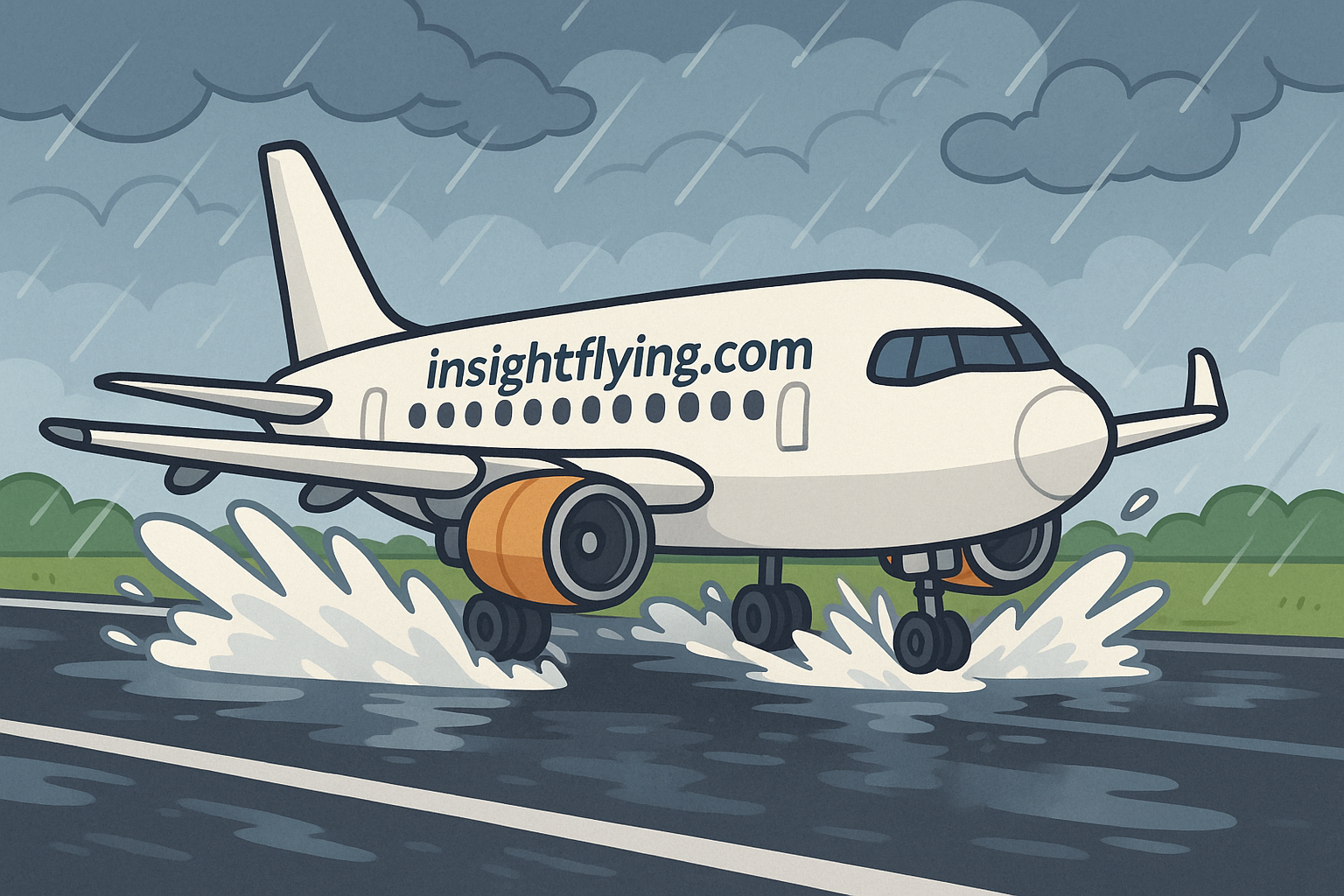
A firm landing is deliberately chosen when conditions are less than ideal, for example:
- Wet runway
- Rain showers over the airfield
- Snow or icy runway conditions
- Gusty winds
- Strong crosswinds
- Short runways
- Limited landing distance available
- Or certain technical issues with the aircraft
In all of these situations, a firm touchdown ensures the wheels make solid contact with the runway surface, giving the brakes maximum effectiveness and allowing the aircraft to stop safely within the available distance.
Braking Action – Measuring Runway Grip
In aviation, we use the term “Braking Action” to describe the friction between the tires and the runway. The lower the value, the more slippery the surface—and the harder it is to stop the airplane.
A firm landing helps improve this contact, increases braking action, and reduces the risk of skidding or overrunning the runway.
What If It’s Too Hard?
- If the touchdown is harder than intended, it’s called a Hard Landing—a serious matter for maintenance crews, as the aircraft structure must be thoroughly inspected.
- Another scenario is a Bounce Landing—when the aircraft bounces back into the air after first contact. Passengers may feel a sudden drop in the stomach, and if the runway is short, this can pose significant risk.
✈️ In short:
A “firm” landing doesn’t mean the pilot did a poor job. It means the pilot made a conscious safety decision—to maximize control, braking efficiency, and passenger safety under challenging conditions.
ลองดู JIAPU 21V พัดลมไร้สาย 12 นิ้ว พัดลมแบต ไฟ LED ไร้สาย พัดลม พัดลมพกพาไร้สาย พัดลมแคมป์ปิ้ง ในราคา ฿948 – ฿1,482 ที่ Shopee https://s.shopee.co.th/6fg7tStt9R
เครื่องกรองน้ำ COWAY ลดราคาพิเศษ
 |
|
หนังสือการบิน ทางลัดสู่ความเข้าใจที่นำไปใช้งานจริง

 |
|
 |
|
 |
|
787 A350 accident Airbus aircraft airmanship airworthiness aviation Aviation SMS B787 become a captain become a pilot Boeing captain CAT Crisis emergency engine fatigue flight safety FRMS go-around Indigo interview pilot qualified pilot safety Safety Management System SMS student pilot swiss cheese tail strike TCAS technology training travel tips turbulence weather การจัดการความปลอดภัย การบิน การสอบสัมภาษณ์ ความปลอดภัย นักบิน สอบนักบิน เรียนจากข่าว